

Filter Basics
How Do Automatic Self-Cleaning Filters Work?
Understand how automatic self-cleaning screen filters operate, including flush cycles and differential pressure triggers.
Automatic self-cleaning filters remove suspended solids from water while continuing to operate without requiring the system to be shut down for manual cleaning. As debris collects on the screen, the pressure difference between the inlet and outlet increases. When that differential pressure reaches a preset level, the filter begins a cleaning cycle that removes debris from the screen and discharges it through a flush line.
What Happens During a Cleaning Cycle?
- The controller detects high differential pressure or follows a timed interval
- A flush valve opens to create a cleaning flow
- The cleaning mechanism removes debris from the screen surface
- Collected debris exits through the flush outlet
- The filter returns to normal operation
Automatic self-cleaning filters are valuable in applications where downtime, manual labor, or frequent filter replacement is costly. They are often used in cooling towers, irrigation systems, industrial process water, intake water, and pretreatment systems.
Featured Product
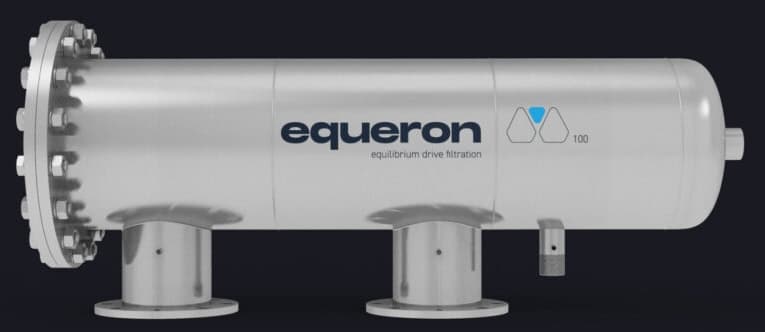
Equeron 100
Learn more