Agriculture
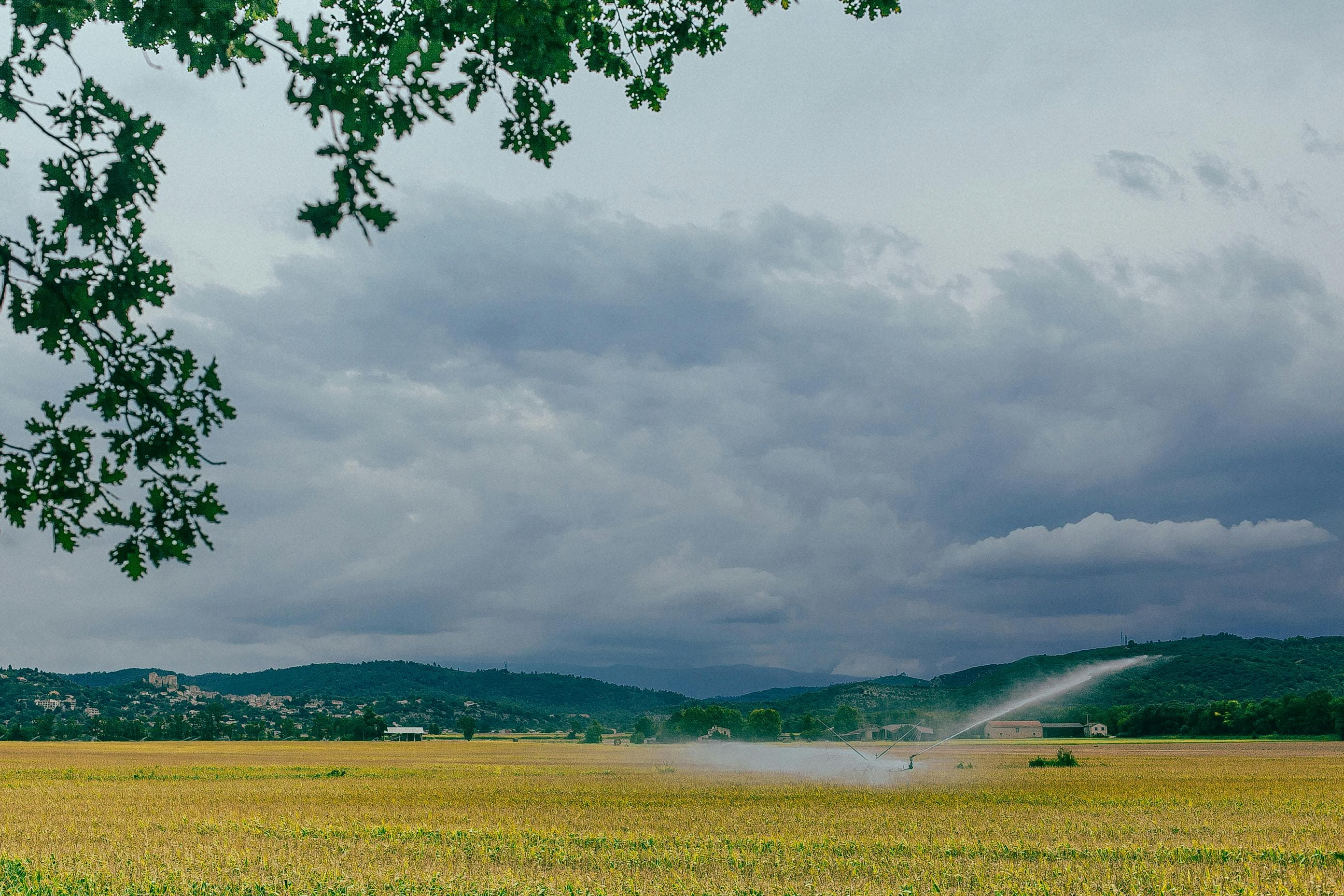
Automatic self-cleaning filtration for agricultural irrigation systems that need consistent flow, emitter protection, and reduced manual maintenance.
When dealing with Agriculture, there are many water quality issues that must be addressed through filtration.
- Surface water, wells, canals, and reservoirs can carry sand, silt, algae, and organic debris into irrigation systems.
- Particulates can clog drip emitters, sprinklers, valves, and distribution lines, creating uneven water delivery and maintenance labor.
- Manual filter cleaning interrupts operation and becomes costly during peak irrigation demand.
Conditions, Contaminants, and Considerations
Water sources may vary, but the primary water sources for Agriculture filtration are:
- Canals
- Reservoirs
- Wells
- Ponds
- Reclaimed water
In this application, water is usually filtered within the 100-500 micron range to remove contaminants like:
- Sand
- Silt
- Algae
- Organic matter
- Crop debris
Benefits
Filtering the water before industrial or commercial use:
- Protects drip lines, sprinklers, valves, and pumps from suspended solids.
- Maintains filtration during automatic cleaning cycles.
- Reduces manual cleaning compared with bag, cartridge, or manually serviced screen filters.
Relevant FAQs
Does the filter waste a lot of water while cleaning itself?
No, because of how quickly the filter cleans itself. Typical backwash water volume is as little as 10 gallons.
How do I know what micron filtration I need?
This depends on what you’re protecting. Protecting an orifice from being plugged requires particulate removal ¼ the orifice size and larger to prevent particulate bridging of that orifice. Contact us directly for assistance.
What micron screen is inside the filter?
Screen micron is selected at the time of ordering, from a range of 10 microns 1500 microns. We can help you determine the most effective screen micron for your application. Contact us directly for assistance.